



 English
 中文简体
中文简体 русский
 Español
 عربى
عربىالمحول الجاف
منتجات سلسلة SC (B) عبارة عن محولات جافة غير متحمسة مصبوبة بالإيبوكسي؛ هذا النوع مصنوع من خليط راتنجات الإيبوكسي من الدرجة F مع حشو، بعد معالجة التفري...
انظر التفاصيلIntegrating a precision-engineered new energy transformer topology within utility-scale solar photovoltaic plants, wind generation farms, and battery energy storage systems (BESS) provides electrical grid architects with an essential, robust solution for managing high harmonic distortion and bidirectional power transients. By isolating electronic inverter networks from the high-voltage transmission grid via specialized electrostatic shielding and high-density magnetic cores, these specialized step-up units withstand intense thermal stresses caused by non-sinusoidal currents. This custom-tailored design yields an operational life extension of up to 250% when subjected to heavy solar inverter ripple currents compared to traditional distribution-class transformers. This optimized layout guarantees precise voltage transformation, safeguards sensitive grid nodes from phase-angle shifts, and ensures stable power delivery even during sudden cloud-cover drops or wind speed variations.
In modern green power distribution, managing high-frequency currents requires components that can prevent extreme core losses and hot-spot saturation. Renewable energy fields rely on central or string inverters to convert raw direct current (DC) into alternating current (AC). This conversion introduces severe high-frequency ripples and significant total harmonic distortion (THD) into the system. Standard distribution transformers are designed for clean, linear residential loads; when subjected to the harsh, continuous switching of renewable grid inverters, their copper windings experience rapid insulation breakdown and early breakdown from heat. Transitioning to custom-tailored new energy transformer assemblies resolves these grid vulnerabilities by utilizing high-grade silicon steel laminations and advanced ester fluid insulation to absorb and dissipate harmonic thermal energy safely.
The long-term reliability and power conversion efficiency of a renewable energy step-up sub-station depend heavily on its internal winding configurations, magnetic core quality, and dielectric liquid choices.
Because pulse-width modulation (PWM) inverters create non-sinusoidal current profiles, new energy substations must be built to a specific K-factor rating. While standard power grids use a K-1 rating, utility-scale solar and wind step-up units are engineered to withstand K-9 or K-13 load profiles. This structural design utilizes multi-stranded, continuously transposed cables (CTC) in the low-voltage windings. This specific winding method reduces eddy current skin effects by up to 35%, preventing high-frequency current harmonics from generating localized hot spots that melt internal cellulose paper wrap.
To manage high operating temperatures without triggering environmental fire hazards in remote wind or solar installations, advanced green transformers replace traditional petroleum mineral oil with natural ester fluids harvested from seed crops. Natural ester fluids feature a fire point exceeding 350°C, compared to just 170°C for mineral oils. Furthermore, ester fluids can absorb up to ten times more dissolved water than petroleum options, drying out the adjacent paper insulation to slow down material breakdown and preserve winding integrity over decades of intense cyclical loading.
Vetting the ideal infrastructure for clean power integration requires evaluating maximum overload capacities against harmonic resilience, fire safety profiles, and core loss behaviors under zero-load states. The table below details the technical boundaries separating these two transformer classes.
| Engineering Design Variable | Advanced New Energy Transformer | Standard Industrial Distribution Transformer |
|---|---|---|
| Harmonic Load Capacity (K-Factor) | High Capability (Rated K-9, K-13, or K-20 profiles) | None (Strictly optimized for linear K-1 sinusoidal loads) |
| Bidirectional Power Handling Range | Complete (Manages rapid step-up/step-down shifts) | Unidirectional (Prone to saturation under reverse power) |
| Core Loss Under Zero-Load (Solar Night) | Minimized (Amorphous metal or laser-scribed steel core) | Moderate to High (Standard grain-oriented silicon sheets) |
| Electrostatic Interference Shielding | Integrated (Grounded copper shields isolate inverter noise) | Absent (Allows high-frequency switching noise to pass) |
| Insulation Thermal Classification | Class H or K (Utilizes high-temp ester and Nomex papers) | Class A (Standard Kraft paper degrades quickly above 105°C) |
The comparative engineering data clearly highlights why standard distribution grids cannot support raw green power generation directly. Traditional industrial units perform efficiently when supplying power to stable factories or residential zones, but they struggle with the cyclical, variable nature of renewable energy. For instance, during overnight hours, a solar transformer must remain energized under zero-load conditions. Standard silicon steel cores consume substantial background energy during these hours, draining power back from the grid. New energy transformers solve these efficiency losses by utilizing laser-scribed or amorphous metal cores, reducing core idling waste by up to 70%.
Modern high-capacity green power transformers integrate specialized physical winding splices and real-time monitoring modules to interface with automated smart-grid management systems.
Because high-voltage components require strict moisture prevention and absolute leveling, engineering installation crews adhere to a rigorous setup protocol.
While professional-grade new energy transformers are built to survive harsh environmental demands, sudden line switching or extreme grid surges can trigger violent electromagnetic resonance and physical coil deformation over time.
Ferroresonance happens when line switching or a sudden fuse blow links the capacitance of long underground field cables with the nonlinear inductance of the transformer's magnetic core. This connection can trigger violent voltage oscillations that spike up to 300% of normal limits, threatening to puncture bushing insulation and ruin adjacent inverter panels. Grid engineers eliminate these resonance spikes by installing specialized damping resistors across the open-delta tertiary windings and deploying fast-acting surge arrestors right at the primary cable entries.
Coil clamping relaxation occurs over years of operation because the extreme electromagnetic forces generated during short-circuits repeatedly compress the internal copper winding stacks. This ongoing physical stress can slowly loosen the heavy structural steel tie rods that hold the coils together, causing the windings to rattle and wear away their paper insulation under load. Maintenance teams manage this structural relaxation by utilizing self-adjusting spring-loaded clamping collars inside the tank housing, keeping a steady compressive force on the coils to prevent physical movement during major grid line faults.
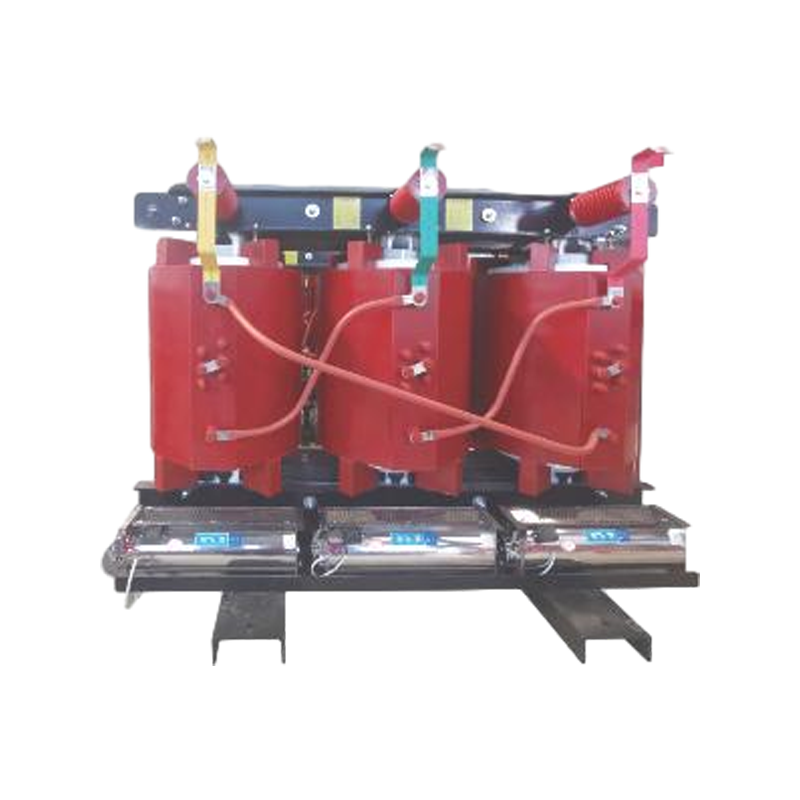
منتجات سلسلة SC (B) عبارة عن محولات جافة غير متحمسة مصبوبة بالإيبوكسي؛ هذا النوع مصنوع من خليط راتنجات الإيبوكسي من الدرجة F مع حشو، بعد معالجة التفري...
انظر التفاصيل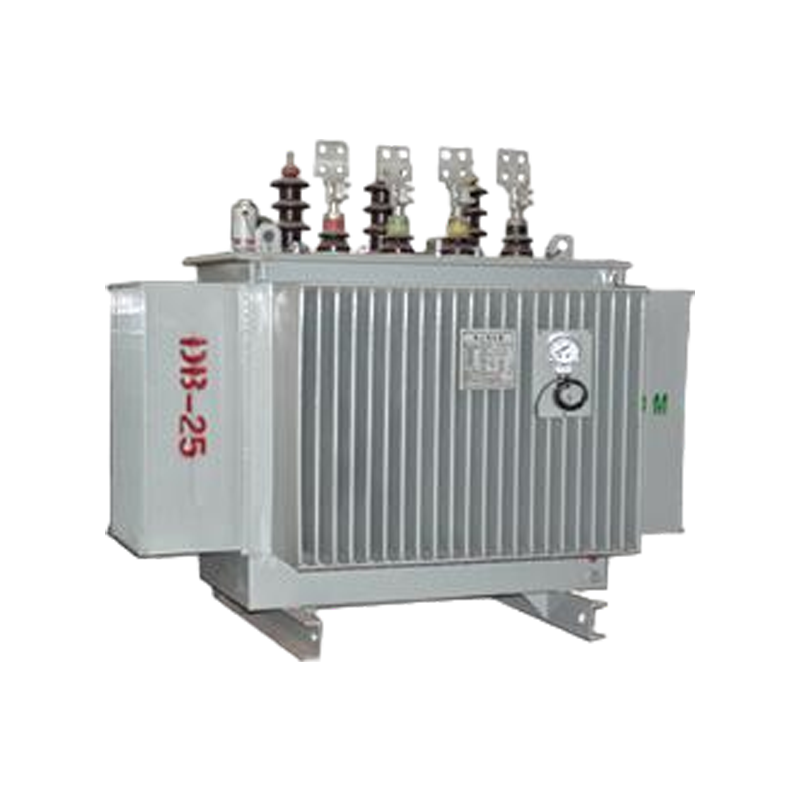
نظرة عامة على المنتج: يتكون قلب الحديد S22-M من صفائح فولاذية سيليكون مدلفنة على البارد عالية الجودة، وخط القص المتقاطع المحلي المتقدم، ولدغ القص الصغ...
انظر التفاصيل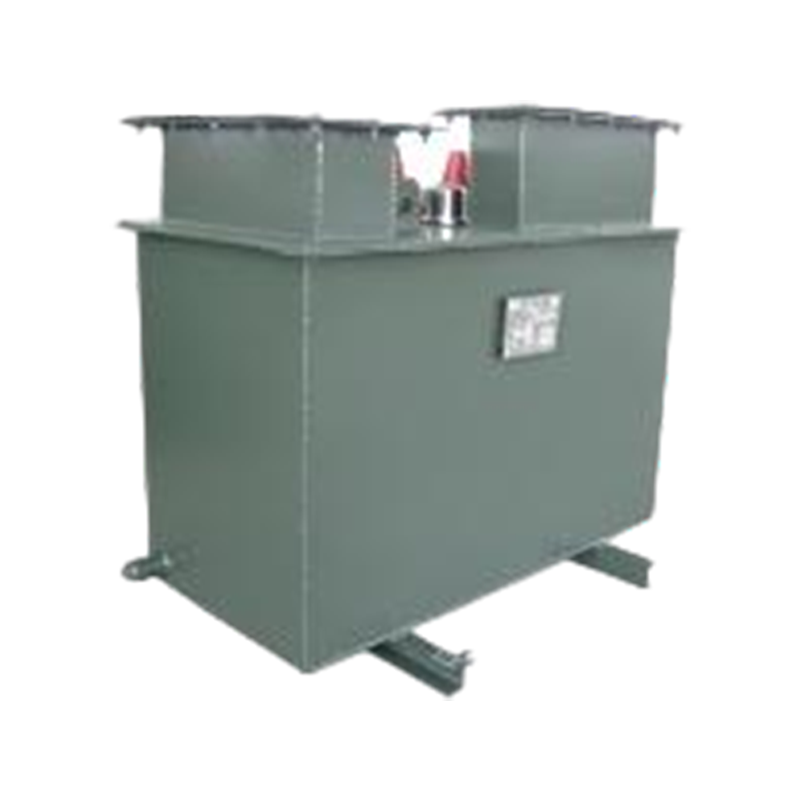
نظرة عامة على المنتج: محول تحت الأرض: محول توزيع أو محول مشترك يمكن تركيبه في الحفرة. يتم تثبيته بشكل عام في الحفرة، ولا يشغل المساحة الفعالة على السط...
انظر التفاصيل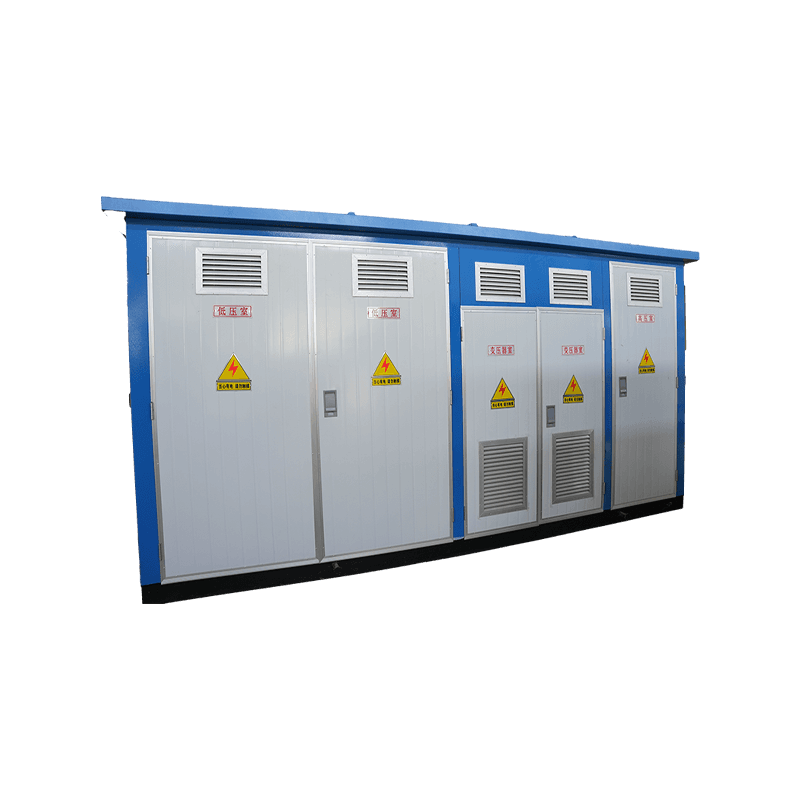
نظرة عامة على المنتج: المحطة الفرعية المثبتة مسبقًا ذات الجهد العالي/الجهد المنخفض من النوع YB عبارة عن مجموعة كاملة مدمجة من معدات توزيع الطاقة التي ...
انظر التفاصيل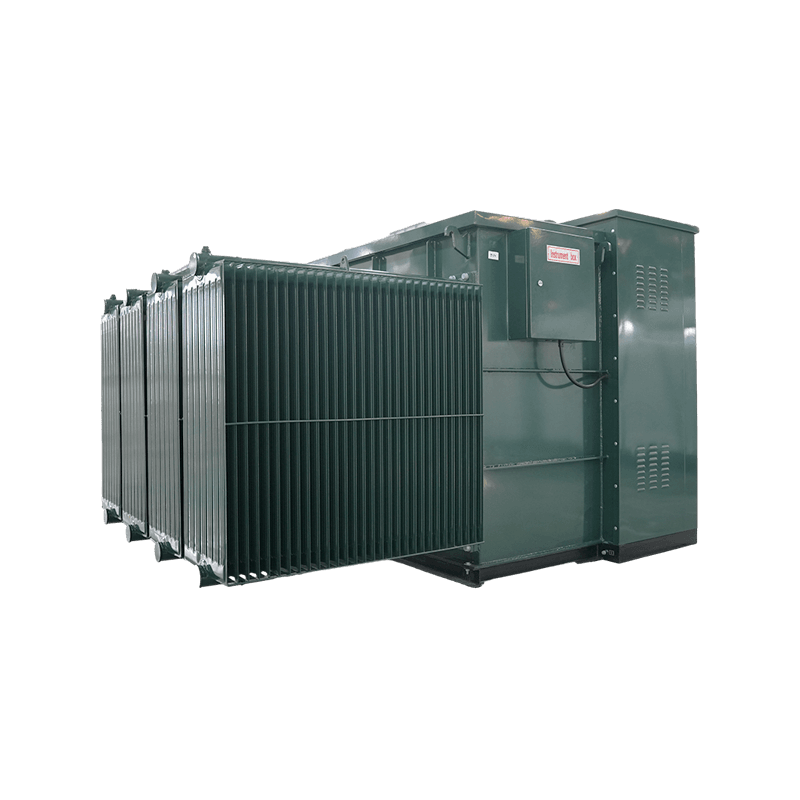
نظرة عامة على المنتج: المحولات المدمجة من سلسلة ZGS عبارة عن سلسلة من المنتجات التي تم تطويرها وفقًا لاحتياجات البناء والتطوير الحضري متعدد الشبكات. ...
انظر التفاصيلطلب مكالمة اليوم









اتصل بنا